
Introduction
For over a century, the rumble of a jet engine has meant kerosene-based fuel pushing planes through the sky. From those first flimsy Wright Flyers to the massive jets we fly today, it’s all been about fossil fuels. But the world is changing, and sustainability is the name of the game—aviation included. We’ve already seen electric cars take over the roads, proving that battery power can completely transform how we get around. So, it’s natural to ask the same question about flying: how soon will we be flying in electric planes?
In this article, we’re diving into the advancements in electric aviation. The cool technology that makes it possible, the big challenges it still faces, and exactly how close we are to stepping aboard an electric flight.
Why Aviation Must Go Electric
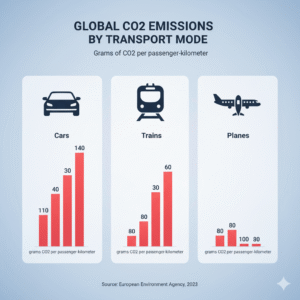
Right now, aviation is responsible for about 2–3% of all global carbon emissions. That might not sound huge, but here’s the problem: air travel is set to skyrocket in the next decade. If we keep doing things the same way, the environmental damage is only going to intensify.
Unlike cars and trains, which can coast to save energy, planes need tremendous, sustained power and efficiency just to get off the ground and stay in the air. This high barrier has made it tough to find alternatives. That’s why the shift to electric isn’t just a nice-to-have; it’s a necessity, designed to solve three critical issues:
1. Slamming the Brakes on Carbon Emissions: This is the most crucial point. Every electric flight means one less plane burning traditional jet fuel. The goal is to fundamentally sever aviation’s dependency on fossil fuels and achieve net-zero carbon operations, future-proofing the industry against climate targets and carbon taxes.
2. Silencing the Skies (and the Neighborhoods): If you live near an airport, you know the roar of a jet engine. Electric motors, by contrast, are incredibly quiet. Imagine an airport where arrivals and departures sound more like a whisper than a scream. This dramatic reduction in noise pollution could make life significantly better for communities surrounding airports and open the door for more flexible flight times.
3. Making Flying More Affordable: Jet fuel is one of the biggest, most volatile costs for any airline. Electricity is not only inherently cheaper than kerosene, but electric engines also have fewer moving parts, leading to lower maintenance costs and longer lifecycles.
For airlines, this translates to huge operational savings, which could potentially trickle down to lower ticket prices for passengers.
How the Electric Plane Takes Flight
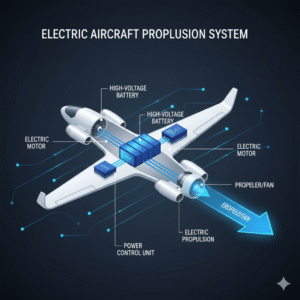
At its core, an electric plane is conceptually simple: we’re swapping out those thirsty, loud jet engines for electric motors. These motors get their juice from massive battery packs (think super-sized versions of the ones in your electric car) or, in some advanced concepts, from hydrogen fuel cells. Just like in an electric car, these powerful motors spin the plane’s propellers or fans, creating the thrust needed for lift-off and forward motion.
Here are the game-changing technologies that make it all possible:
- The Powerhouse: Lithium-ion Batteries: This is the heart of the electric revolution. We’re using the same reliable lithium-ion technology found in electric vehicles (EVs), but we have to scale it up dramatically and package it to be incredibly light and energy-dense. The single biggest challenge is making sure these batteries can store enough energy to power a long flight without weighing the plane down too much.
- The Muscle: Electric Propulsion Systems: These aren’t just any motors; they are precision-engineered, high-efficiency engines designed specifically for aerospace. They are lighter, generate instant torque (great for quick take-offs), and are incredibly robust, turning electrical energy into powerful, consistent thrust.
- The Smart Compromise: Hybrid Systems: To bridge the gap while battery technology catches up, many manufacturers are starting with hybrid-electric planes. These aircraft cleverly combine a traditional fuel engine with an electric motor and battery. The fuel engine handles the initial, energy-intensive climb, while the battery assists during cruise or manages shorter segments. This “best of both worlds” approach allows planes to fly further today while still cutting fuel consumption and emissions.
Progress So Far: Electric Flight is Already Happening
It’s not just a drawing on a whiteboard anymore; electric aircraft are already leaving the ground. While we aren’t talking about transatlantic jumbo jets yet, several pioneering prototypes and smaller planes have definitively proven that electric flight is technically feasible. These early successes are paving the way for larger commercial airliners:
- Pipistrel Veils Electro: This is a huge milestone. It’s the world’s first certified electric trainer aircraft. Pilots are actively using it today for flight lessons. This shows that electric planes aren’t just for tests—they are reliable enough for daily, rigorous training operations.
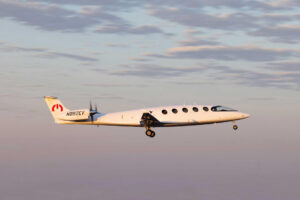
- Eviation Alice: Think of this as the first electric shuttle bus of the sky. This sleek, all-electric aircraft is designed as a 9-seater commuter plane. It has already completed important test flights, proving that mid-sized passenger transport on regional routes is within reach. It’s aiming to make short, island-hopping, or city-to-city trips clean and quiet.
- Airbus E-Fan X (An Evolution in Strategy): While Airbus initially worked on the hybrid-electric E-Fan X demonstrator, the program was eventually canceled. This wasn’t a failure of the technology, but a strategic pivot. Airbus decided to skip a generation and pour its resources directly into hydrogen-electric concepts—a bet on an even cleaner, long-range future. This shows how quickly the industry’s focus is evolving.
- MagniX: Electrifying the Existing Fleet: This innovative American company isn’t just building new planes; they are developing powerful electric propulsion systems designed to retrofit existing, reliable airframes. Their goal is to take a proven plane and swap its old combustion engine for a new electric one, speeding up the transition by working with the aircraft that are already out there.
These pioneers—from trainers to commuters—are collectively signaling that the era of electric flight is dawning, proving the viability of this new form of propulsion step by step.
The Headwinds: Challenges Holding Electric Planes Back
While the electric dream is inspiring, it’s being held back by some serious real-world hurdles. Getting an electric car to drive a few hundred miles is one thing; getting a plane to fly across a continent requires overcoming physics itself.
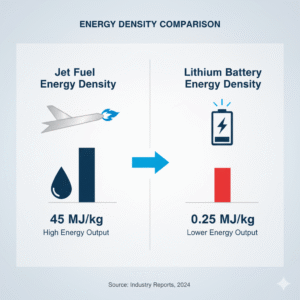
1. The Weight Problem: Battery Energy Density: This is the single biggest roadblock. Think about it: a tank of jet fuel stores an immense amount of energy for its weight. Batteries, specifically their energy density (how much energy they can store per kilogram), just can’t compete right now. Current battery technology means that to power a long-haul flight, the plane would need so many batteries that it would become simply too heavy to lift off or sustain efficient flight. Until a revolutionary breakthrough happens, long-distance, large-capacity electric jets remain a distant goal.
2. The Short Leash: Range Limitations: Because of the battery weight issue, the practical range of electric planes is extremely limited. Today’s prototypes can typically only manage flights of 100 to 300 miles. That’s great for quick regional hops but a non-starter for serious commercial travel. To replace even a mid-range flight, the range needs to be multiplied several times over.
3. The Power Plug: Charging Infrastructure:Transforming an airport is a monumental task. Imagine the amount of electricity needed to quickly recharge a fleet of planes—it’s vastly more than what’s needed for a fleet of electric cars. Airports would need to invest in massive, high-power charging stations capable of rapidly and safely transferring gigawatts of energy, all while integrating seamlessly into the tight turnarounds of airline schedules.
4. The Red Tape: Certification & Safety: Aviation operates under the world’s most stringent safety standards—and for good reason. Introducing an entirely new propulsion system like electric batteries requires years of exhaustive testing, documentation, and regulatory review. This complex process of certification and approval by bodies like the FAA or EASA is slow and deliberate, meaning that even a perfectly working electric plane can spend years waiting for the official “go-ahead” to carry passengers commercially.
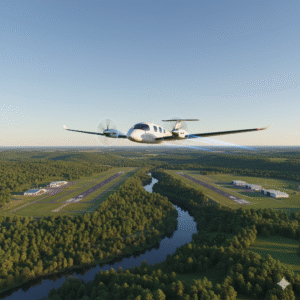
Short-Haul Flights: The Electric Starting LineElectric planes won’t immediately replace the jets flying from New York to London. Instead, experts are unanimous: the transition will begin with short-haul routes—typically flights under 300 miles. This makes perfect sense, as these journeys are far less demanding on the current limits of battery technology.
These short-distance flights are the bread and butter of several vital parts of the industry:
- Regional Commuting: Moving people between smaller cities or towns.
- Island Hopping: Essential travel across archipelagos where flights are frequent but brief.
- Pilot Training: As we’ve already seen with the Pipistrel, these are ideal, low-energy uses.
This focus is already driving major investments and policy changes:
- Norway’s Bold Ambition: Known for its green energy leadership, Norway has set a concrete goal: they plan to make all domestic flights under 90 minutes electric by 2040. This commitment shows that entire nations are viewing short-haul electric flight not as a curiosity, but as an achievable national standard.
- The Rise of Electric Air Taxis: Airlines like United have invested heavily in electric vertical takeoff and landing (eVTOL) aircraft. While these aren’t traditional planes, they represent the first commercial application of electric flight for passengers. Their goal is to offer fast, quiet city-to-airport transfers, turning a stressful hour-long drive into a quick, electric sky-ride.
What this all means for you is that your first experience with an electric aircraft won’t be on a massive jet going overseas. It will likely be on a smaller, regional aircraft or a quiet commuter plane taking you between nearby cities. This phased approach allows the technology to prove its safety and reliability before tackling the immense challenges of long-haul travel.
When Will You Fly in One? (Timeline)
So, when can you finally look forward to boarding one of these quiet, green aircraft? The consensus among aviation experts points to a phased, realistic rollout driven by the technology’s current limitations. Don’t expect to see fully electric jets crossing oceans next year, but the clock is definitely ticking for regional travel:
- 2025–2030: The Dawn of Electric Commuters.This is the immediate future. We are anticipating that small-scale electric commuter planes(aircraft holding between 6 and 20 seats) will be the first to enter regular commercial service. You’ll see these planes on very short, frequent regional routes—think flying from a major city hub to a nearby small town or hopping between islands. This phase is about proving the safety and reliability of the technology under commercial pressure.
- 2030–2040: Scaling Up to Regional Jets. Once the smaller models prove their worth, the industry will scale up. We can expect to see larger regional aircraft—planes capable of seating between 50 and 100 passengers—entering service. These electric planes will handle the busier, short-to-mid-range domestic routes, replacing the noisy turboprops and smaller jets currently used for connecting regional centers.
- 2040 Onward: The Hybrid Bridge to Medium-Haul. For longer routes, the limitations of current batteries mean we’ll likely rely on an interim solution: hybrid-electric aircraft. These planes will use batteries to assist the fuel engine, dramatically cutting consumption and emissions on medium-haul flights. While fully electric transatlantic travel remains a long shot for this timeline, this hybrid approach offers a tangible step toward greener journeys for flights lasting several hours.
- The Bottom Line:Don’t book an all-electric trip from Delhi to London just yet. However, if you regularly take a short flight—say, less than a couple of hours—you might very well be stepping onto an electric regional plane within the next five to ten years. The revolution is starting small, but it’s gaining altitude quickly.

Hybrid and Hydrogen: The Bridges to a Cleaner Future
Since the dream of a fully battery-powered jumbo jet is currently blocked by those pesky physics limits (the weight of the batteries!), the aviation industry isn’t sitting still. Many major players are focusing on two powerful alternative technologies that can close the gap: Hybrid-Electric and Hydrogen.
1. Hybrid-Electric Systems: The Smart Compromise
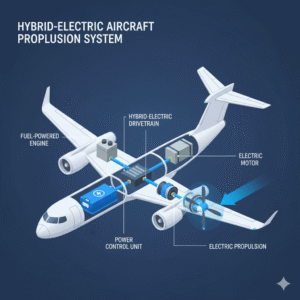
Hybrid systems are exactly what they sound like—the plane is powered by **both traditional jet fuel and electric batteries.
- How it Works:The fuel-burning engine handles the heavy lifting, like take-off and high-altitude cruising, while the electric motor can assist, especially during less demanding phases like taxiing or descent.
- The Benefit: This approach allows airlines to extend the operational flight range*beyond what a pure battery could manage today, all while still achieving significant cuts in fuel consumption and carbon emissions. It’s the practical, near-term way to start greening the fleet without having to completely redesign flight paths.
2. Hydrogen: The Zero-Emission Frontier
Hydrogen power is seen by many as the ultimate, long-term answer for large, long-haul aircraft because it offers the promise of zero CO2 emissions.
- How it Works: Hydrogen can be used in two ways:
- It can be burned directly in a modified jet engine (which still produces some nitrogen oxides, but no CO2).
- It can be fed into a hydrogen fuel cell to generate electricity, which then powers an electric motor. This process releases only water vapor as a byproduct.
- The Challenge: Storing hydrogen is complex. It needs to be kept as a super-cold liquid(−253°C) or under extremely high pressure. This requires bulky, specialized tanks that take up a lot of space in a plane’s fuselage, impacting design and passenger capacity.
The Industry’s Big Bets:
Major aerospace giants like Airbus and Boeing are heavily invested in exploring hydrogen as the eventual future of long-haul flight, often viewing it as the most viable path to truly massive, zero-emission jets. Meanwhile, innovative startups are continuing to focus on breaking through the battery barrier with advanced, pure electric designs for smaller planes. This dual approach ensures that aviation is tackling the environmental crisis from all angles.
How Electric Planes Will Transform Your Flight Experience
Flying electric is about more than just green credentials; it’s going to fundamentally change the way you, the passenger, experience air travel. The shift impacts everything from the noise level in your seat to the price of your ticket.
1. A Serene Silence: Quieter Cabins: This is perhaps the most immediate and noticeable difference. Traditional jet engines are incredibly loud, both inside the cabin and out. Electric motors, by contrast, are far quieter. Imagine taking off with less of a deafening roar and more of a gentle hum.
2. A Break for Your Wallet: Lower Ticket Prices: For airlines, jet fuel is a massive and unpredictable expense. Since electricity is significantly cheaper than kerosene and electric motors require less maintenance, airlines will see substantial reductions in their operating costs. As these savings filter through the system, they could lead to more competitive and potentially lower fares for you on electric routes.
3. Opening Up the Skies: New Routes and Accessibility: Because the first generation of electric planes will be smaller and quieter, they can operate more easily out of smaller, regional airports that might be restricted today due to noise pollution or runway size. This means the electric era could usher in new, direct routes connecting smaller cities that currently require a layover in a major hub. For passengers, this means reduced travel time and more convenience.
4. The Feel-Good Factor: Sustainability as a Choice: As environmental awareness grows, passengers are increasingly looking for ways to reduce their own carbon footprint. When given the choice, many travelers will undoubtedly prefer to fly with eco-friendly airlines operating electric fleets. This will give you the sustainability factor—the ability to choose a travel option that aligns with your values, making your journey guilt-free and supporting a greener future.

Conclusion: The Sky is Going Electric
The shift to electric aviation isn’t a distant fantasy—it’s happening right now. While the image of a massive, fully electric international jet may remain decades away due to the immense challenge of battery technology, the foundational work is already complete, and smaller planes are taking flight today.
The key takeaway is that the transformation will be incremental, starting small and growing fast. We’re looking at a regional revolution within the next ten years, where electric aircraft will conquer those short-haul routes—making island hopping and city-to-city commutes quiet, cheap, and clean. The industry is already on the runway, accelerating toward a greener future powered by innovation in batteries, hybrid systems, and hydrogen.
So, the next time you find yourself boarding a smaller commuter plane in the early 2030s, take a look out the window. Don’t be surprised if the silence is the first thing you notice—and if that plane is running not on the familiar roar of jet fuel, but on the silent, powerful hum of a giant, clean battery. The future of flying is coming to a local airport near you.
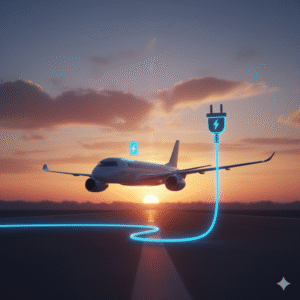
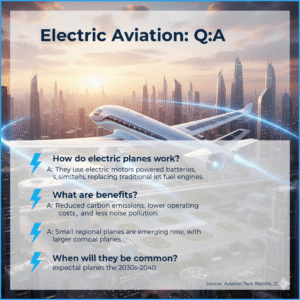
❓ Your Quick Guide to Electric Flight FAQs
Got questions about this revolutionary new way to fly? Here are the straightforward answers you need:
1. Are electric planes safe?
Absolutely, yes. Electric planes have to pass the same incredibly strict safety certifications as any traditional aircraft. A huge advantage is that electric motors have far fewer moving parts than complex jet engines. Fewer parts mean a lower risk of mechanical failure, which actually makes the propulsion system inherently simpler and more reliable.
2. How far can electric planes fly today?
Currently, most prototypes can manage flights of 100–300 miles. This is great for short-haul or regional hops, like island-to-island trips or pilot training. However, the current range is the main reason they can’t handle those long, international journeys yet.
3. When will passengers be able to fly in an electric plane?
The first commercial electric flights for passengers on short-haul routes could begin as soon as 2027 to 2030. If you’re hoping for a seat on a larger regional jet, you’ll likely have to wait until the 2030s or 2040s.
4. Will electric planes be cheaper to fly?
Most likely, yes. The huge cost savings come from two major areas: electricity is cheaper than jet fuel, and electric motors require less maintenance. Over time, these reduced operating costs should translate into lower ticket prices for short-haul electric routes.
5. Can large international flights (like New Delhi to London) be electric?
Not yet, and not soon. The necessary battery capacity would simply make the plane too heavy to fly long distances efficiently. The industry is banking on next-generation solutions like hybrid-electric systems (part fuel, part battery) or hydrogen fuel cells to achieve major emissions cuts.
6. Which companies are leading the electric plane race?
Look for names like Eviation, Pipistrel, MagniX, and Wright Electric—these startups are pioneering all-electric designs. Meanwhile, aerospace giants like Airbus and Boeing are heavily focused on the long-term future with hybrid and hydrogen solutions.
7. How are electric planes charged?
They use massive, high-capacity charging stations at the airport. Looking ahead, companies are also exploring super-fast-charging and even quick-swap battery systems to keep turnaround times short.