

Introduction: Why DGCA Exams Feel So Difficult for Pilot Aspirants
For many aviation aspirants in India, DGCA exams represent the toughest stage of becoming a pilot. The fear surrounding the high DGCA exam failure rate often discourages students even before preparation begins. In reality, these exams prove challenging mainly due to improper strategy, not because they are impossible to clear.
Want to know more about Aviation visit Sky With Wings

What Is the Actual DGCA Exam Failure Rate in India?
The DGCA (Directorate General of Civil Aviation) does not officially release public pass–fail data for pilot license examinations. However, trends and statistics observed by flying schools and ground training institutes suggest that the DGCA exam failure rate generally lies between 40% and 60% per subject on initial attempts.
This high rate signifies that a large proportion of students fail at least one paper, particularly during their early attempts, before successfully clearing all subjects.
Subjects With the Highest DGCA Exam Failure Rate
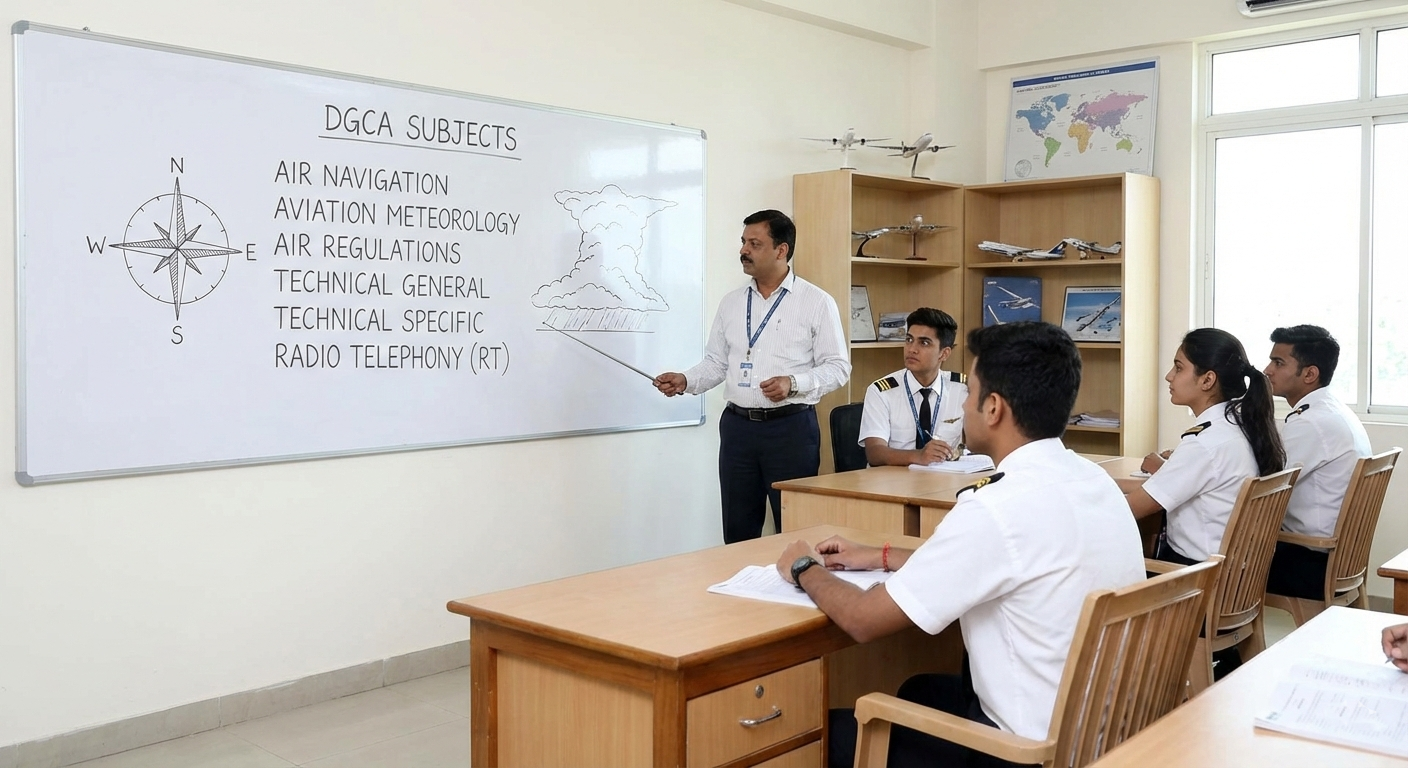
Air Navigation and Meteorology consistently record the highest DGCA exam failure rate. This occurs primarily due to the heavy numerical problems and the profound conceptual depth required for mastery.
Conversely, Technical General and Technical Specific also demand a strong understanding of aircraft systems, while Air Regulations usually maintains a relatively better pass percentage.
Subject Difficulty Ranking (Estimated Failure Rate):
| Rank | Subject | Primary Reason for Difficulty |
| 1. | Air Navigation | Complex numerical calculations and application of theory. |
| 2. | Aviation Meteorology | In-depth conceptual knowledge of weather phenomena and forecasting. |
| 3. | Technical General / Specific | Need for a comprehensive understanding of aircraft systems and engines. |
| 4. | Air Regulations | Memorization and application of complex rules and procedures (relatively easier). |

Why Most Students Fail DGCA Exams (Real Reasons)
The biggest reason propelling the high DGCA exam failure rate is, fundamentally, weak conceptual clarity. Consequently, many students depend heavily on simply memorizing question banks without diligently understanding the core fundamental principles. This reliance, unfortunately, fails immediately when the DGCA changes its question patterns or begins testing the application of knowledge rather than rote recall.

Rote Learning vs Conceptual Understanding: The Biggest Mistake
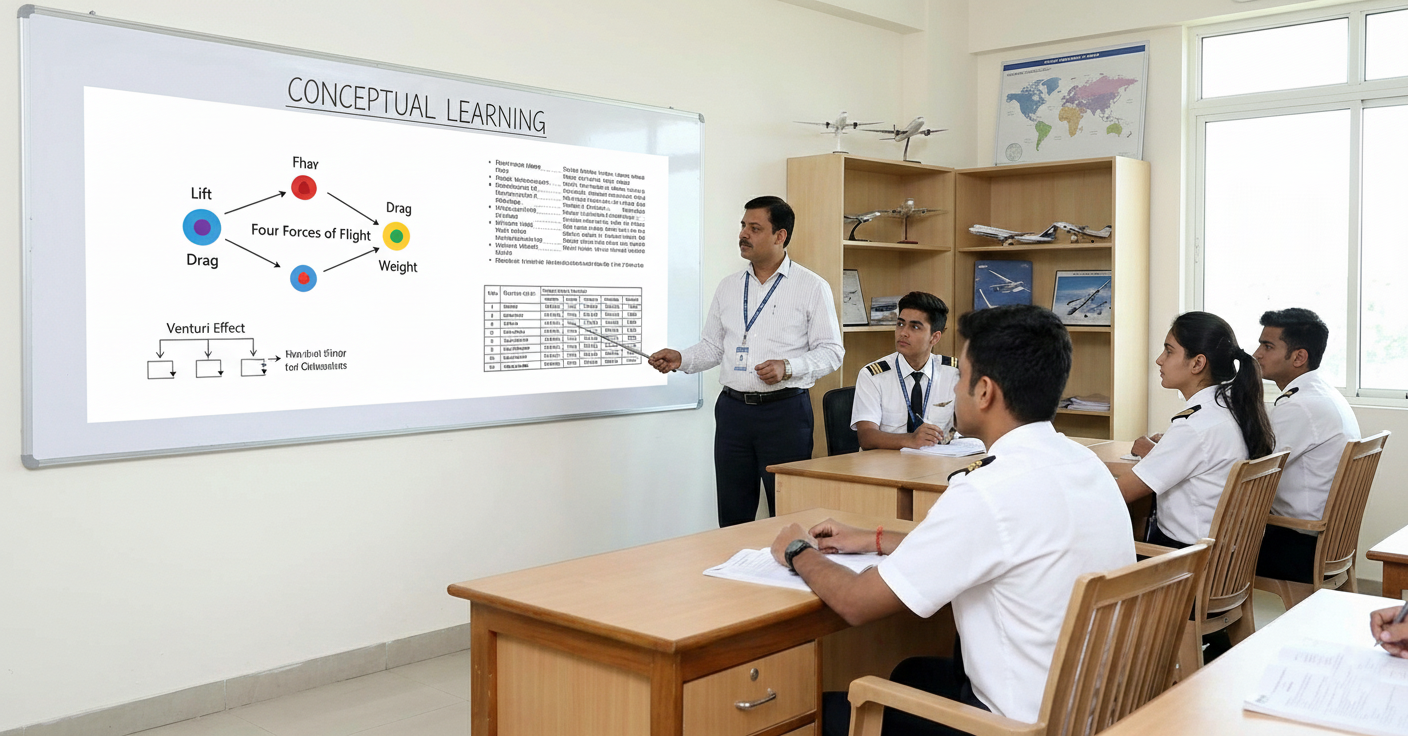
The DGCA exams have evolved into purely concept-based assessments. Consequently, rote learning significantly increases the DGCA exam failure rate because the majority of questions test real-world application, not just simple memory recall. Ultimately, without firmly understanding the core underlying concepts, even familiar questions become ambiguous and difficult to interpret under exam pressure.
Poor Study Planning and Its Impact on DGCA Results
Random studying without a comprehensive plan inevitably adds significant stress and leads directly to incomplete preparation. Crucially, this disorganized approach directly contributes to the high DGCA exam failure rate. Therefore, a structured timetable, which includes dedicated slots for revision and mandatory mock tests, remains absolutely essential for success.

Importance of Choosing the Right Study Material
Outdated books and unreliable notes constitute another significant cause of the high DGCA exam failure rate. Given that the DGCA frequently updates its syllabus and modifies the exam style, utilizing current, standard study material remains absolutely critical for successfully achieving a pass.

How DGCA Question Pattern Has Changed in Recent Years
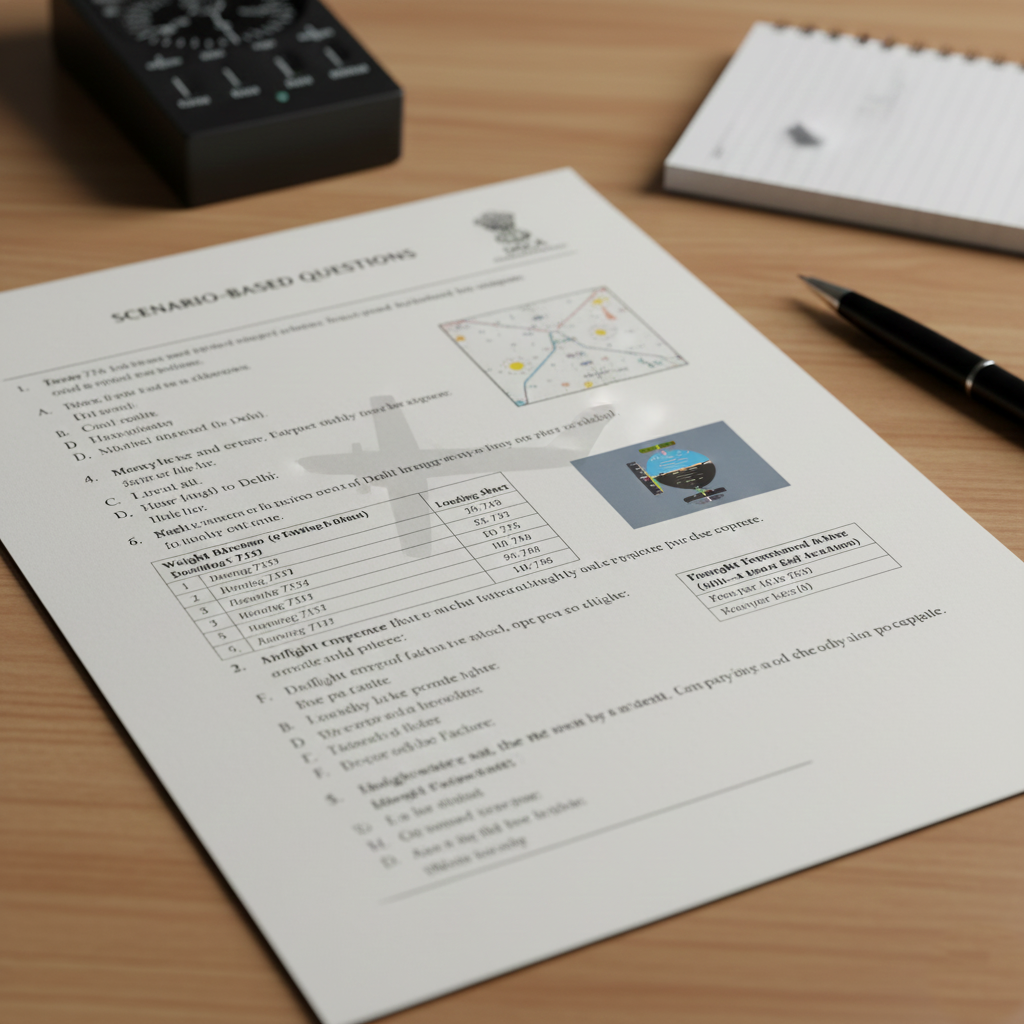
The DGCA exams have decisively shifted their focus to scenario-based and heavily application-oriented questions. This fundamental transformation has, in turn, significantly increased the DGCA exam failure rate among students who exclusively rely on repeated questions instead of engaging in rigorous problem-solving practice.
Time Management Issues During DGCA Exams
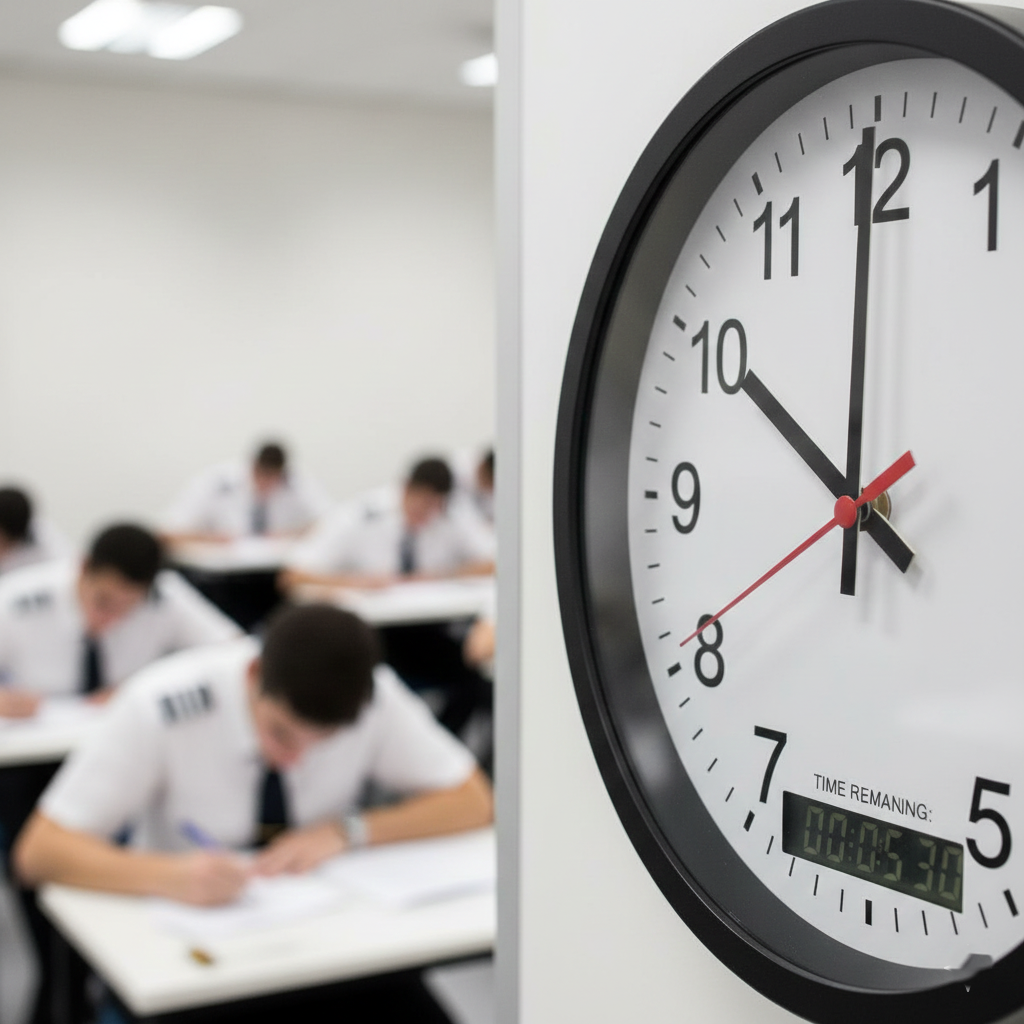
Poor time management inevitably causes panic and frequently leads to careless errors. Consequently, even well-prepared students often fail due to this single factor, thereby indirectly increasing the overall DGCA exam failure rate. Therefore, consistently practicing timed mock tests builds the necessary speed and accuracy to mitigate this risk.
How to Prepare for DGCA Exams the Right Way
To effectively reduce the high exam failure rate, aspiring pilots must adopt a structured approach. Specifically, candidates should start by thoroughly understanding the official syllabus and subsequently focusing intensely on conceptual clarity. Following this, they must practice application-based questions regularly. Ultimately, consistency and discipline matter significantly more than simply logging excessive study hours.

Subject-Wise Strategy to Reduce DGCA Exam Failure Rate
A focused, subject-wise approach greatly reduces the exam failure rate. Specifically, Air Navigation consistently requires daily practice of complex numerical problems. Furthermore, Aviation Meteorology demands a deep, conceptual understanding of dynamic weather phenomena. Finally, Technical subjects necessitate achieving clear system clarity and functional knowledge of aircraft components.

⏱️ How Mock Tests Help in Clearing DGCA Exams
Mock tests serve a critical function: they effectively simulate the real exam pressure and simultaneously highlight a student’s weak areas for targeted revision. Consequently, students who consistently take regular mock tests and diligently analyze their performance achieve a significantly lower DGCA exam failure rate than their unprepared peers.

Role of Consistency and Revision in First-Attempt Success
Consistent daily study, coupled with dedicated and regular revision, actively strengthens both memory retention and examination confidence. Crucially, establishing this habit plays a major, defining role in successfully lowering the overall DGCA exam failure rate, significantly increasing the chance of first-attempt success.

Common Last-Minute Mistakes Before DGCA Exams
Studying entirely new topics, impulsively switching study material, or aggressively over-revising immediately before the examination significantly increases the exam failure rate. Instead, candidates must dedicate the final few days exclusively to light revision and calm, focused mental preparation.
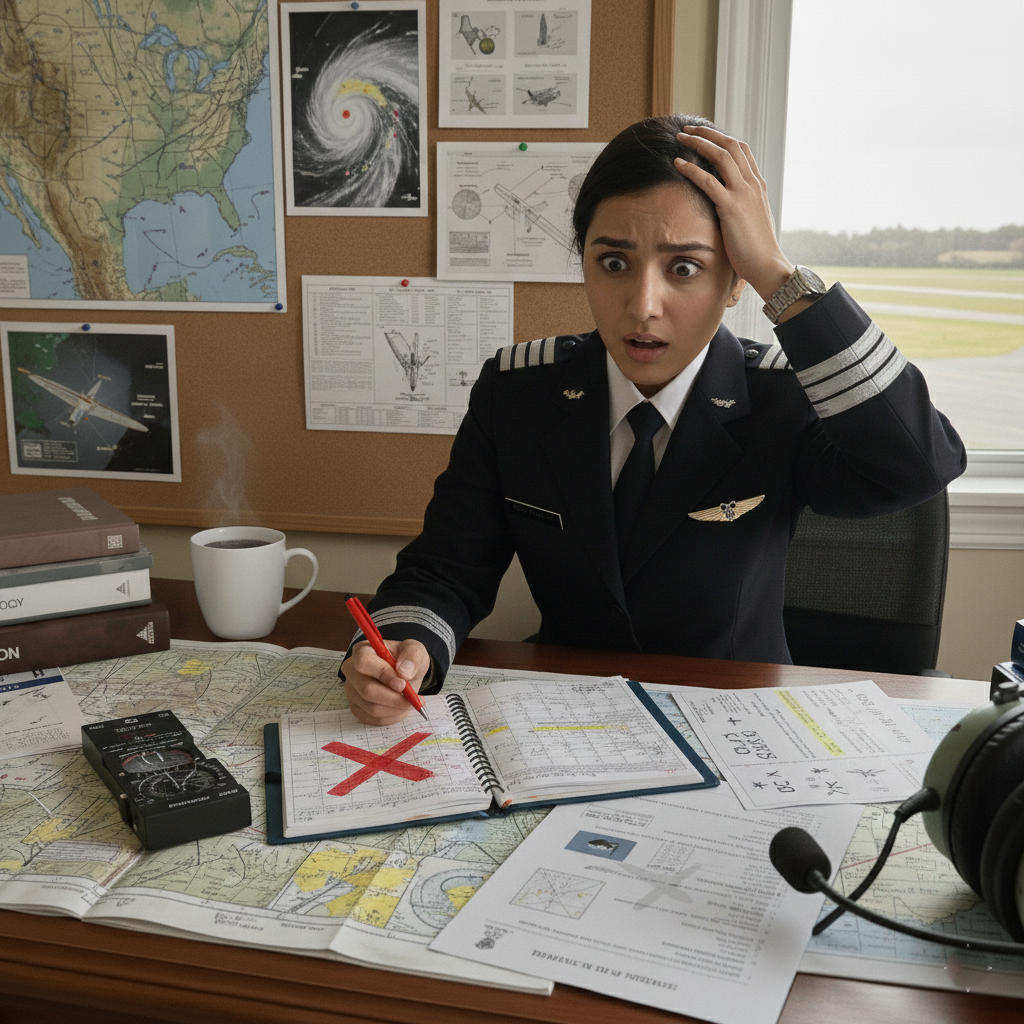
Mental Pressure, Fear & How It Affects Performance
The pervasive fear of failure significantly affects focus and critically impairs effective decision-making during the exam. Consequently, stress-related mistakes contribute significantly to the overall exam failure rate. Therefore, maintaining a calm demeanor and managing anxiety directly improves performance and test outcome.

How to Pass DGCA Exams in the First Attempt
Passing the DGCA exams in the first attempt remains an entirely achievable goal with the right mindset, a concept-based study strategy, consistent use of mock tests, and rigorous revision. Ultimately, this focused, comprehensive approach constitutes the most effective way to beat the persistently high exam failure rate.

Final Advice for DGCA Aspirants
The DGCA exams remain demanding, but fundamentally, they are manageable. Therefore, instead of fearing the widely reported, aspiring pilots must shift their focus toward smart preparation and unwavering consistency. Ultimately, with the correct strategy firmly in place, first-attempt success becomes a realistic and attainable goal.

Frequently Asked Questions (FAQ)
What is the DGCA exam failure rate in India?
Around 40–60% per subject based on flying school data.
Which DGCA subject has the highest failure rate?
Air Navigation and Meteorology.
Can DGCA exams be cleared in the first attempt?
Yes, with proper planning and concept-based study.
How long should one prepare for DGCA exams?
3–6 months of consistent preparation per subject.